
Why Hiring a Designer Makes More Sense Than You Think
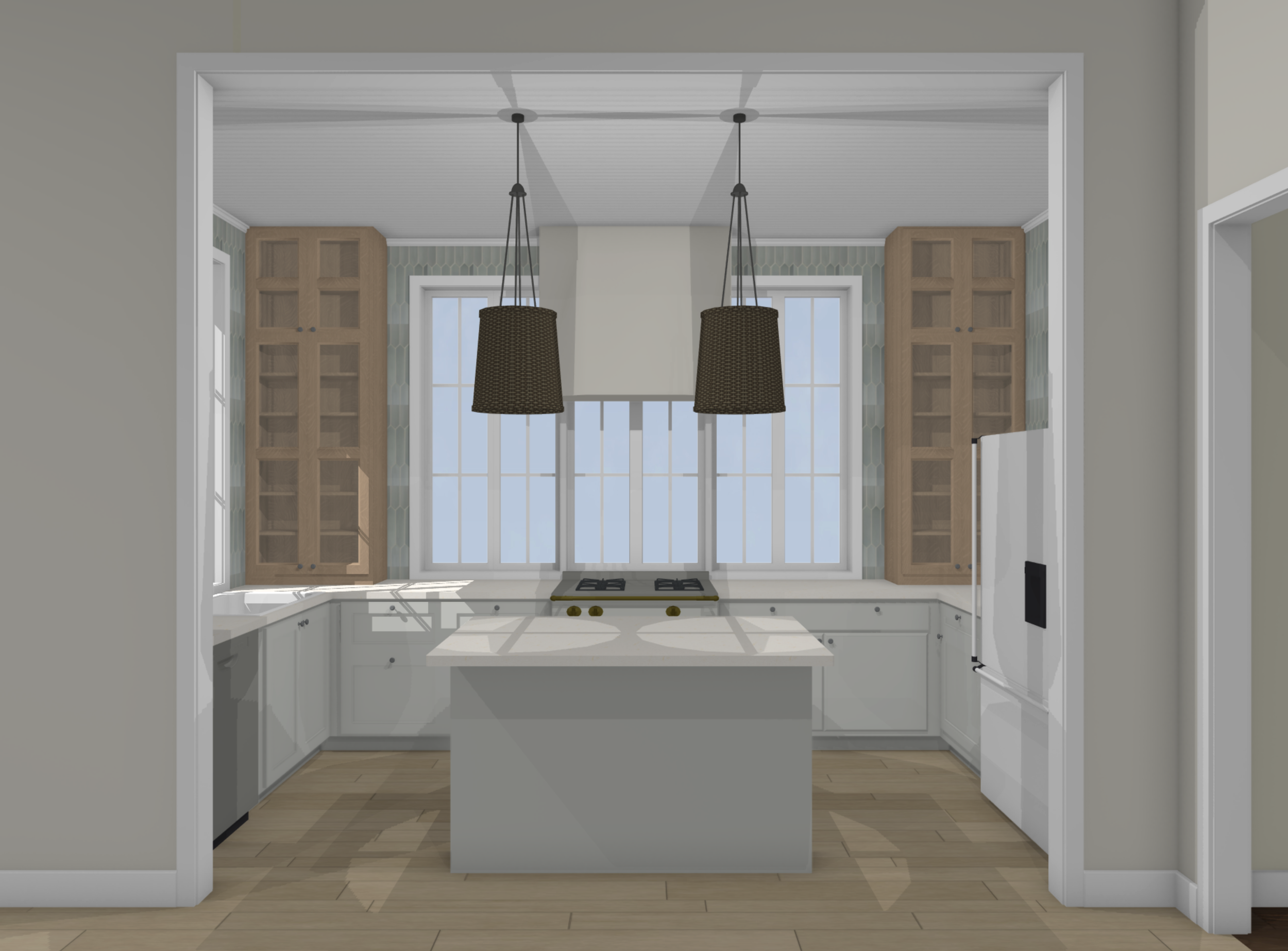
You've been scrolling through Pinterest for three months. You've saved 247 photos of living rooms, but yours still looks exactly the same. The paint samples are multiplying on your wall like a bad science experiment, and you're pretty sure that sofa you ordered online is going to be either too big or the wrong color—or both.
Sound familiar?
Most homeowners assume interior designers are a luxury reserved for people with unlimited budgets and houses featured in magazines. The reality is quite different. Working with a designer often saves you money, time, and the kind of regret that comes from staring at an expensive mistake for the next decade.
The Real Cost of Going It Alone
Here's what typically happens when homeowners tackle design projects independently: you buy a rug. It's not quite right, but it was on sale. Then you find a sofa you like, but it doesn't work with the rug. You return the rug, pay restocking fees, and order another one. The new rug takes six weeks to arrive. Meanwhile, you've purchased throw pillows for the sofa that no longer match anything. You start over.
This scenario plays out in homes across the country, and it gets expensive fast. Shipping costs, return fees, and items that don't work together add up quickly. Not to mention the pieces that sit unused in your garage because you can't bring yourself to deal with another return.
Interior designers work with specific measurements, detailed plans, and established relationships with suppliers. We know what works before anything ships to your door. That means fewer returns, less waste, and a cohesive result the first time around.
Access You Don't Have on Your Own
Designers maintain relationships with vendors, craftspeople, and suppliers that aren't available to the general public. This isn't about exclusivity for its own sake—it's about quality, customization, and often better pricing.
That sofa you found online for $2,000? A designer might source something similar through trade resources for $1,600, with better construction and fabric options you can actually see and touch before ordering. Custom window treatments, unique lighting fixtures, quality upholstery work—these resources provide options beyond what's available in big-box stores or through consumer websites.
Many designers also receive trade discounts that offset their fees. While pricing structures vary, the combination of reduced product costs and fewer expensive mistakes often means the project costs roughly the same as going it alone—except you get a better result and keep your evenings free.
Someone Who Sees What You Can't
You know your space intimately. You know the weird corner that doesn't get enough light, and the wall that looks too empty but also too small for standard furniture. What you might not know is how to solve these problems.
Designers assess spaces differently. We notice traffic patterns, proportion issues, and opportunities you've looked past a thousand times. That awkward corner? It's actually the perfect spot for a custom built-in. That empty wall? It needs one large piece of art, not the three small frames you've been considering.
This outside perspective is particularly valuable when you're stuck. You've been living with your space so long that you can't imagine it differently. A designer walks in and immediately sees possibilities you've never considered.
Originality Over Trends
Retail stores and online shopping create a particular problem: everyone has access to the same inventory. Visit enough homes, and you'll start seeing the same mass-produced furniture, the same decor items, the same overall look.
Designers create original spaces by mixing sources, incorporating custom elements, and developing concepts specific to how you actually live. This doesn't mean everything has to be one-of-a-kind or expensive. It means thoughtfully combining pieces in ways that reflect your needs rather than what's currently popular.
A well-designed space also lasts longer. Trend-chasing leads to constant updates and replacements. Thoughtful design creates rooms that feel current but don't scream a particular year or style moment. This longevity is both more sustainable and more cost-effective over time.
The Affordability Question
Many designers offer services at different price points and structures. Virtual design consultations, hourly consulting, or project-based fees make professional design advice accessible for various budgets.
Even a single consultation can provide tremendous value. A few hours with a designer might give you a furniture layout that actually works, a cohesive color scheme, or a prioritized plan for tackling projects over time as budget allows.
The key is viewing design services as an investment rather than an expense. Poor design decisions cost money to fix. Good design decisions add value to your home and improve your daily life for years.
Your Time Has Value, Too
Beyond the financial considerations, there's the simple matter of your time. Researching products, comparing options, visiting stores, managing deliveries, coordinating contractors—design projects consume hours that add up to weeks or months.
Designers manage these details professionally. We know which questions to ask, which specifications matter, and how to keep projects moving forward. Instead of spending your weekends driving to furniture stores or your evenings comparing fabric samples, you review curated options and make decisions with expert guidance.
Hiring an interior designer isn't about achieving perfection or creating a showroom. It's about getting a space that functions well, reflects your life, and comes together without the frustration of trial and error.
The assumption that professional design is prohibitively expensive or unnecessary doesn't account for the actual costs of DIY mistakes, the value of trade resources, or the benefit of experienced